*Update (9/8/20): the full national report, “The Many Roads to Reintegration,” is now available.
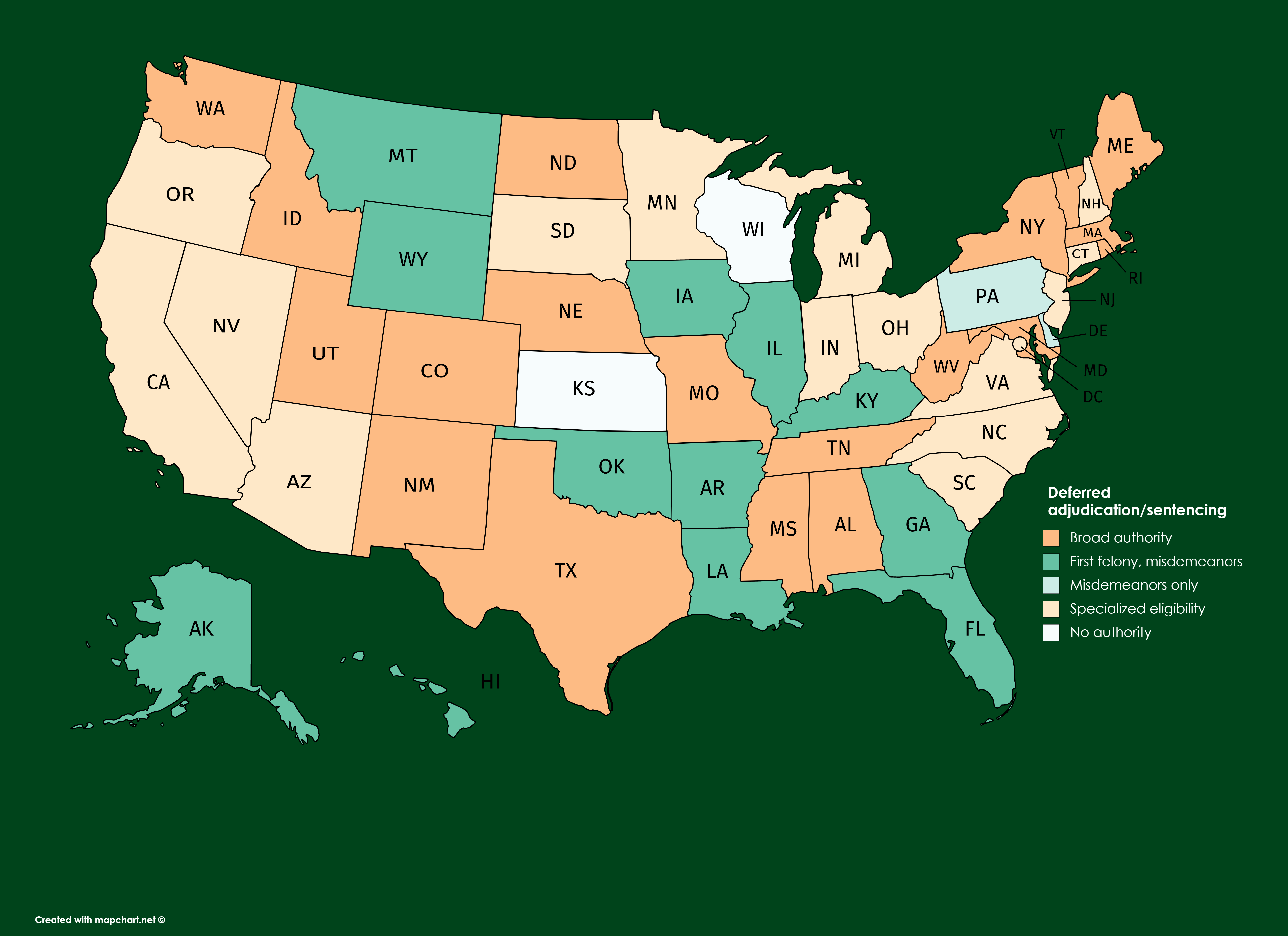
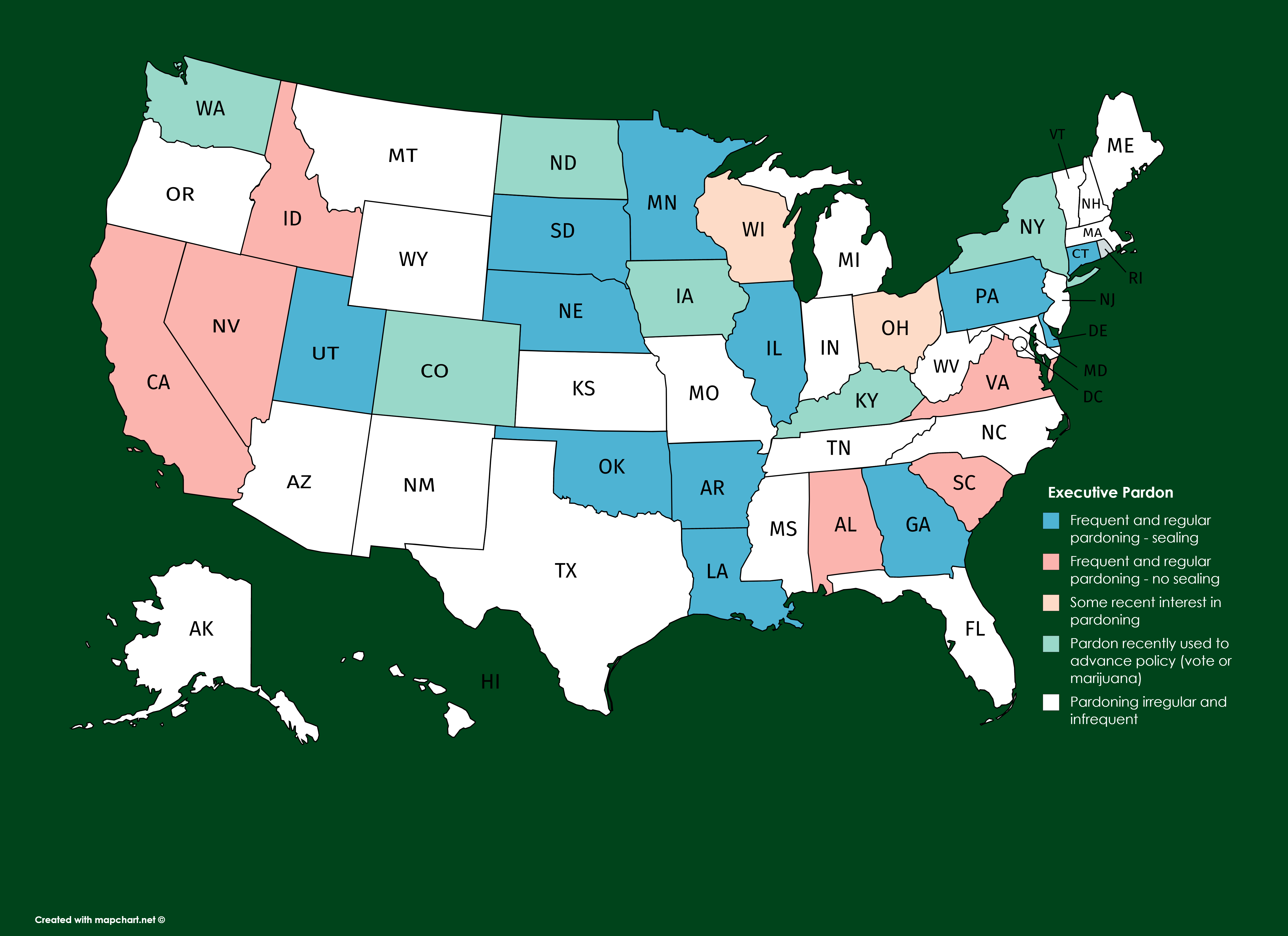
Last week we announced the forthcoming publication of a national report surveying mechanisms for restoring rights and opportunities following arrest or conviction, titled “The Many Roads to Reintegration.” Also last week, we published the first chapter of that report on loss and restoration of voting and firearms rights. Today we publish a near-final draft of the third chapter of the “Many Roads” report, dealing with laws that systematically regulate how criminal record is considered in the workplace, by employers and by occupational licensing authorities. Next week we expect to publish the second chapter of the report on “record relief” (including record-sealing, pardon, and judicial certificates). The research, drawn from CCRC’s Restoration of Rights Project, reveals a trend in the states toward restricting the power of occupational licensing agencies to reject applicants with criminal records based upon factors not directly related to their qualifications.
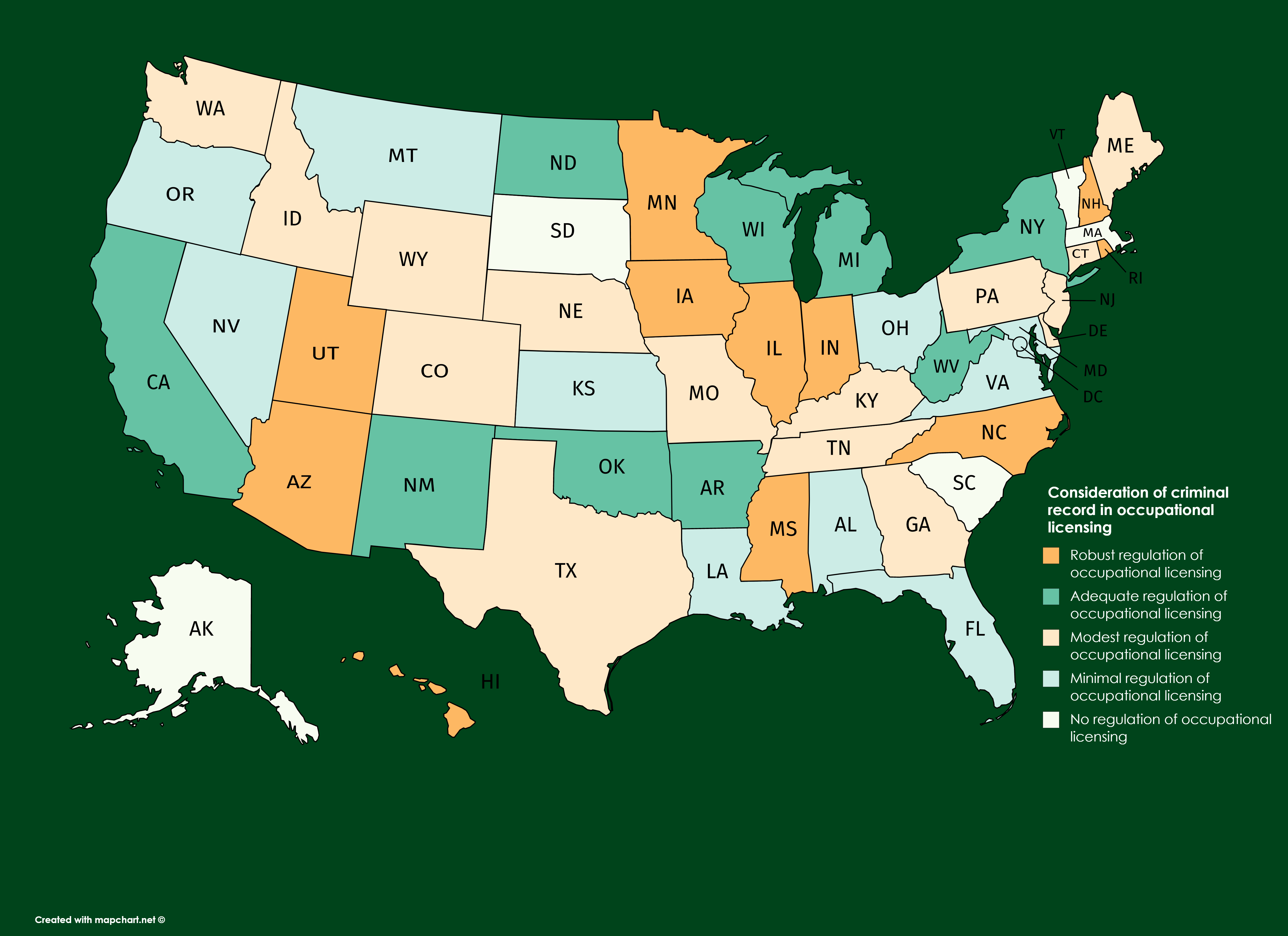
There has also been marked progress in extending fair chance employment laws, primarily through limiting inquiry into criminal record in the early stages of the hiring process and setting standards for later consideration of the record. These trends, which have accelerated in the past three years, recall and in many cases build on an earlier period of criminal record reforms in the 1970s. At the conclusion of the chapter are report cards with color-coded maps ranking state laws by specific criteria, to facilitate comparisons between and among states.
There are some surprises. For one thing, there is not a particularly strong correlation between how states rate in each of the two areas. That is, states that have a robus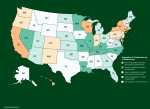 t system of fair chance employment laws may not and frequently do not have a similarly strong system for regulating how occupational licensing agencies treat people with a criminal record. In fact, only two states (Illinois and Minnesota) scored at the top of both categories. Three other states that scored well on employment also scored reasonably well on occupational licensing (California, New York, and Wisconsin), but the last two jurisdictions in the top employment category (Hawaii and the District of Columbia) scored poorly on occupational licensing. Conversely, four states that ranked in the top tier for occupational licensing had no law at all regulating consideration of criminal record in employment (Iowa, Mississippi, New Hampshire, and North Carolina) and two others had only minimal regulation of public employment
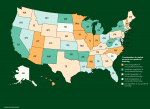 (Indiana and Utah). Three states had no law at all governing either employment or occupational licensing (Alaska, South Carolina, and South Dakota).
Another result that may surprise those who have not been following recent developments in this area of the law, is that high marks for reining in the exclusionary policies of licensing boards go to some states not ordinarily considered politically and socially progressive. The unexpectedly strong performance of some states in regulating occupational licensing boards may be attributable to antipathy toward government interference in free markets as well as an interest in efficiency and fairness.
A PDF of this chapter is available here. The full text follows, with end notes. Coming next, the report’s chapter on “Record Relief.”
(more…)
Read more

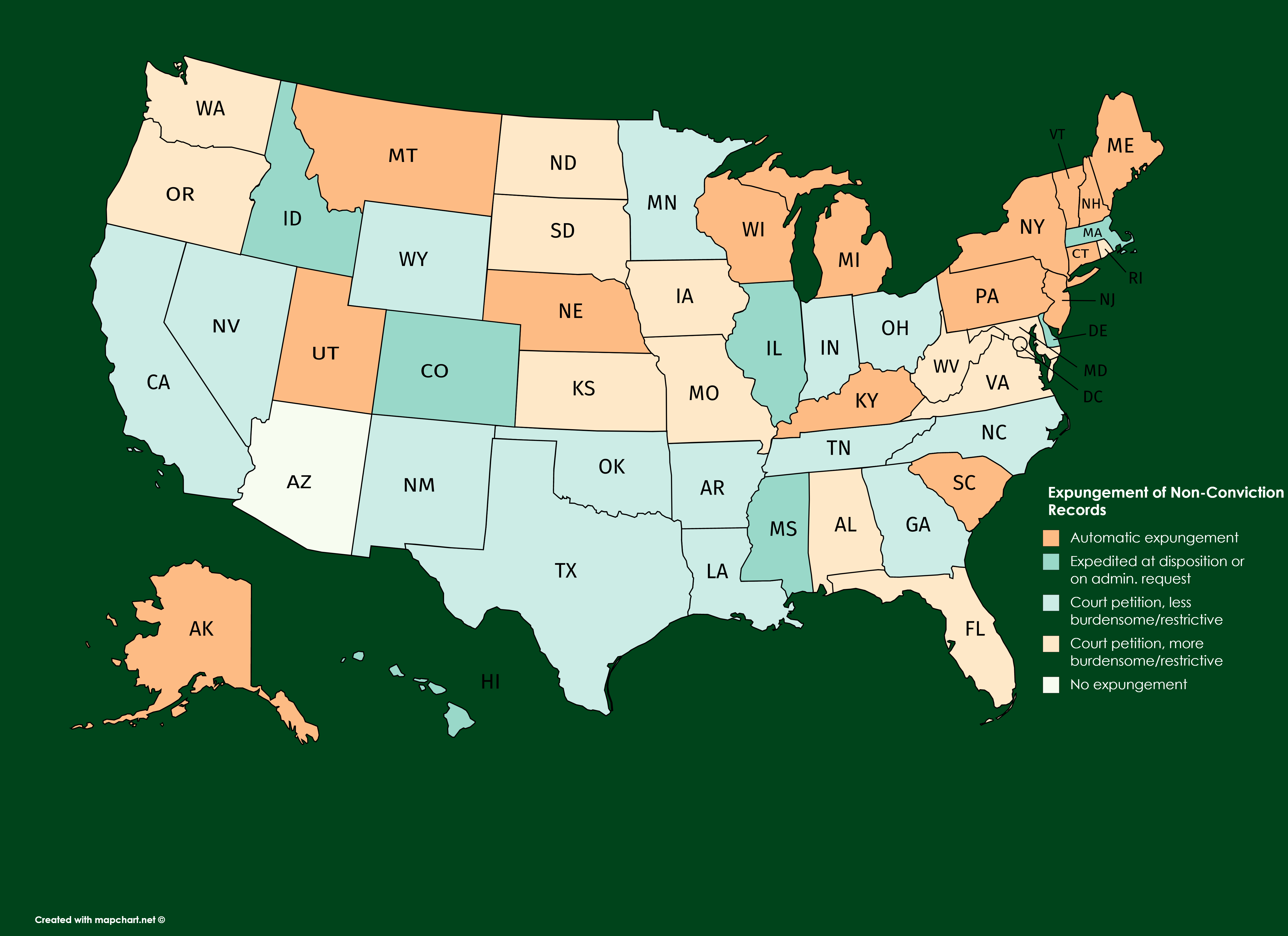 ns. Our Model Law on Non-Conviction Records recommends automatic expungement of these records, an approach that has been enacted in 17 states. Later this week we will publish additional sections of this chapter, on conviction relief, judicial certificates, and juvenile records. We expect to publish the entire “Many Roads” report by the end of the month.