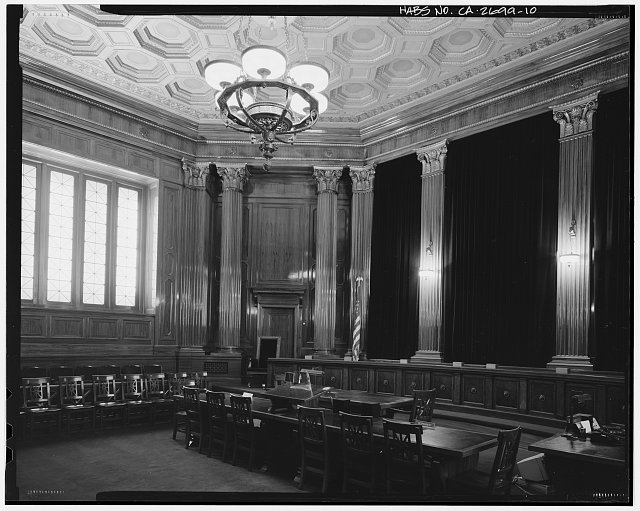
 In a remarkable, unanimous decision, the California Supreme Court held on March 2, 2015 that residence restrictions for sex offenders on parole were unconstitutional as applied. Although the case technically addressed the situation of four named plaintiffs in San Diego County, the decision calls into doubt the statute’s validity in the entire state.
In re Taylor tested the Sexual Predator Punishment and Control Act: Jessica’s Law, which, like many overwrought and unwise laws was enacted by initiative. Passed in 2006, it added Section 3003.5(b) to the Penal Code, making it “unlawful for any person for whom registration is required . . . to reside within 2000 feet of any public or private school, or park where children regularly gather.” In 2010, in an earlier stage of the case, the Court rejected claims brought by that the law was invalid on its face because it was unconstitutionally retroactive under California law, or because it violated state or federal prohibitions on ex post facto laws. However, the plaintiffs pursued the argument that the law was unconstitutional as applied; the trial court, California Court of Appeals, and Supreme Court agreed.
Read more