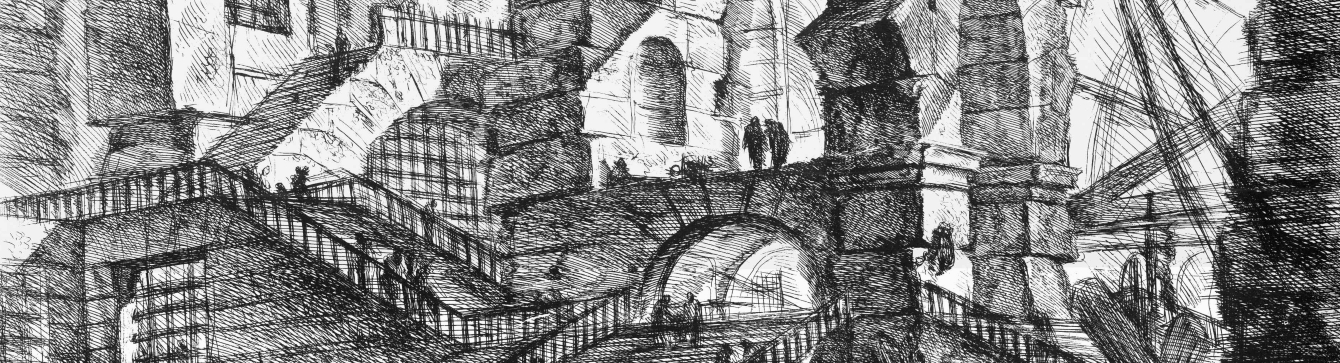
We cross-post a recent comment about the Obama clemency initiative from Professor Doug Berman’s Sentencing Law and Policy blog because it proposes to supplement the constitutional pardon power with a relief mechanism built into the legal system (there, a sentence reduction by the court rather than presidential commutation). It reflects the institutional and practical concerns of Enlightenment philosopher Cesare Beccaria, who proposed in 1764 that Clemency is a virtue which belongs to the legislator, and not to the executor of the laws; a virtue which ought to shine in the code, and not in private judgment. Beccaria’s view that clemency should “shine in the code” has a special resonance where collateral consequences are concerned since pardons have become so rare in recent years. Indeed, Judge John Gleeson might have invoked Beccaria when he expunged the conviction of a woman who was unable to find employment because of her criminal record. We intend to keep arguing in this space for a statutory restoration remedy for the federal system, whatever form it may take.
Read moreTag: clemency
Obama clemency process reportedly “more backlogged than it was before”
USA Today reports that unexpected administrative complications continue to delay the clemency initiative launched by the Obama administration last year. More than a year after the Justice Department sought assistance from private organizations in identifying federal prisoners deserving of sentence commutation, that ancillary process has submitted only 31 cases for favorable presidential action. In light of the fact that more than 1500 volunteer lawyers have been working since last fall on cases assigned by Clemency Project 2014, this modest number is surprising. Lawyers involved in the effort say the year-old clemency initiative has been hampered by the complexity of the cases and questions about the eligibility criteria, which may still be too strict to help most of the prison population. The result is a system that appears even more backlogged than it was before the initiative began.
Read morePresident promises a more “open” pardon process, more pardon grants
During a Town Hall in South Carolina on March 6, President Obama spoke for the second time in recent weeks about his intention to use his pardon power more generously in the final two years of his term. Responding to a criminal defense attorney who asked what she could do to “increase the number of federal pardons,” the President explained that he was taking a “new approach” to pardons after receiving surprisingly few favorable recommendations from the Justice Department during his first term. He said he had asked the Attorney General to “open up” the pardon process, and to work with advocacy groups and public defenders to make people more aware of the availability of this relief:
Read more‘Tis the season for . . . . some presidential forgiveness
It’s that time of year again. Odds are that sometime in the next two weeks President Obama will issue some pardons and commute some prison sentences. I have never quite reconciled myself to the unfortunate and ahistorical association of pardoning with the silly turkey ceremony (the Obama girls were right to roll their eyes) and Christmas gift-giving, the result of decades of presidential neglect and sometime Justice Department sabotage of the power. But now that the season for forgiveness is upon us, I can’t wait to see what’s underneath the tree. It was my fondest hope during the 2008 campaign that this president would want to revive the practice of pardoning, like Jerry Brown in California and Pat Quinn in Illinois, and restore a degree of regularity and accountability to the federal pardon process. But so far President Obama has issued only 52 full pardons, making him the least generous full-term president in our Nation’s history. And so far there is no indication that he intends to reinvigorate the federal pardon process, as Justice Anthony Kennedy urged in an iconic speech to the American Bar Association more than a decade ago, and as scholars and practitioners have regularly urged in less exalted settings ever […]
Read moreThe “president’s idle executive power” and collateral consequences
In their Washington Post op ed on the President’s neglect of his pardon power posted earlier on this site, Rachel Barkow and Mark Osler are critical of the Justice Department’s bureaucratic process for processing applications for executive clemency, which they argue takes a very long time and yields very little. (The New York Times editorialized last year in a similar vein about how DOJ has effectively sidelined the president’s power as a tool for justice for more than 20 years.) Barkow and Osler ask why Justice considered it necessary or wise to farm out the processing of thousands of petitions from federal prisoners to a private consortium called Clemency Project 2014, rather than reform the official process: “such a short-term program does nothing to fix the problematic regular clemency process that will survive this administration unless action is taken.” Barkow and Osler focus on sentence commutations, and not on the other common type of clemency grant: a full pardon, typically sought by those who have fully served their court-imposed sentences, to avoid or mitigate collateral consequences. In addition to the thousands of prisoner petitions awaiting consideration by DOJ’s Pardon Attorney, there are now more than 800 petitions for full pardon pending in the Justice […]
Read more