We are pleased to publish “The Reintegration Report Card,” a new resource that ranks and grades all 50 states on how their laws address voting rights, record relief (including expungement and pardon), fair employment, and occupational licensing for people with a criminal record. This Report Card supplements our recent 50-state report, “The Many Roads to Reintegration.” That report surveys U.S. laws aimed at restoring rights and opportunities after arrest or conviction. It grades the states on nine different types of restoration laws, including voting rights, six different record relief remedies, and laws regulating consideration of criminal record in employment and occupational licensing. Based on these grades, the report includes an overall ranking of the states and D.C. This Report Card provides the grades and rankings in a more easily accessible form. It also includes a brief narrative summary of how each state’s law stacks up in the different graded categories. Our hope is that these summaries will suggest ways in which a state might improve its laws and hence its overall ranking. An appendix collects all the grades and rankings (the rankings are also at the end of this post). We emphasize once again that our grades are based solely […]
Read moreAuthor: CCRC Staff
Michigan to be sixth state with automatic conviction relief
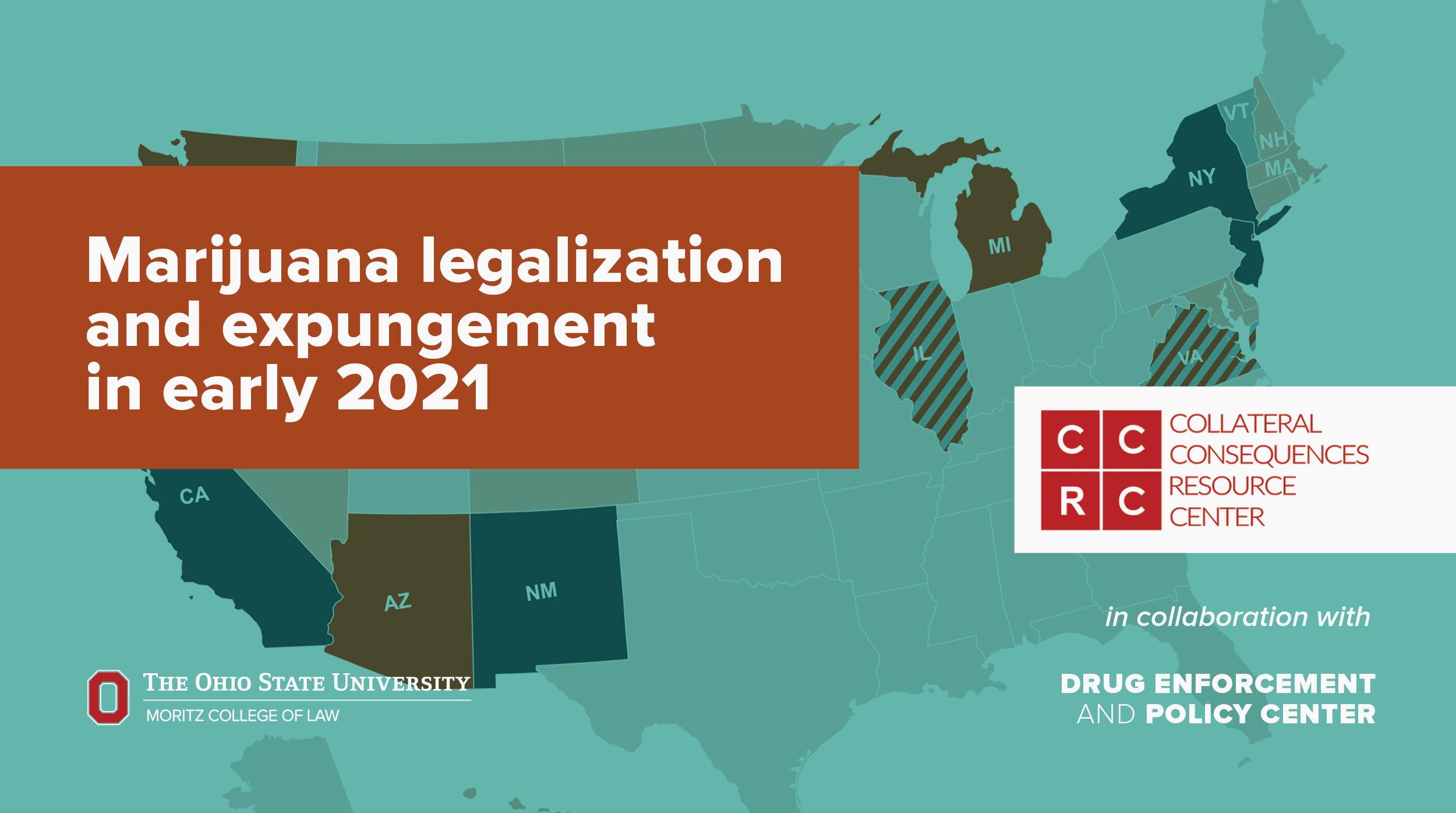
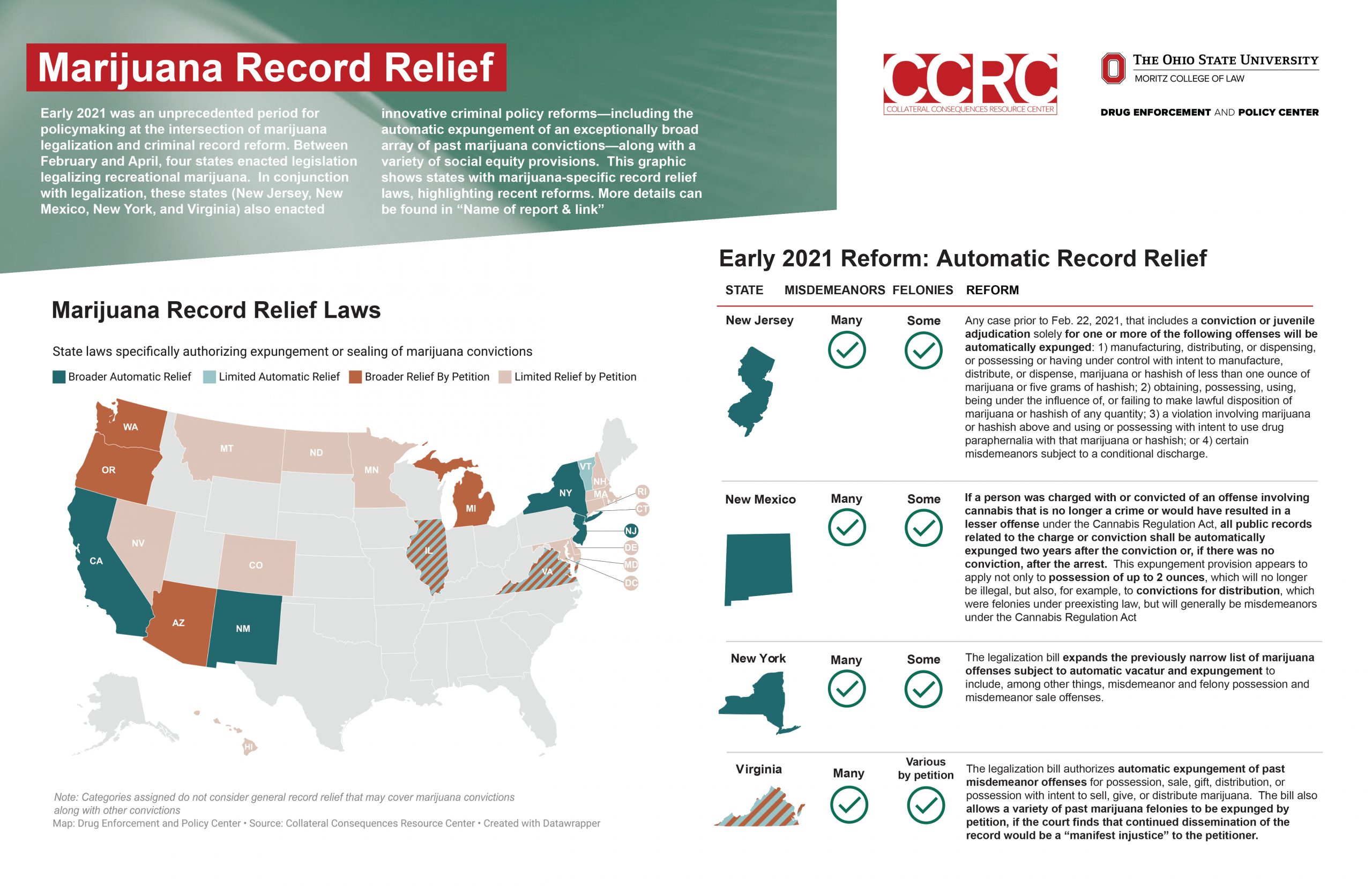
*Update (10/12/20): Gov. Whitmer signed the legislation into law. On September 23, the Michigan legislature approved a series of bills that would dramatically reform that state’s “set-aside” authority, colloquially known as “expungement.” The bills, which are headed to Gov. Gretchen Whitmer for signature, would significantly expand eligibility for expungement under the existing petition-based application system, and establish a new automatic mechanism to expunge certain convictions without a person having to ask for it. It is estimated that the bills will make hundreds of thousands of Michiganders eligible for expungement for the first time, and that relief will be delivered automatically to a significant percentage of them when the automatic feature becomes operative in October 2022. The other provisions of the bills are effective immediately. This package would make Michigan the sixth state to enact an automatic conviction-sealing law covering a range of offenses. It would also make Michigan the third state to make relief automatic for some felony convictions, joining New Jersey and California. (An additional three states plus California have enacted more specialized laws to automatically seal low-level marijuana convictions.) The specific provisions of the Michigan bills, as well as automatic sealing laws in other states, are discussed below.
Read moreNC court rules vote may not be denied based on court debt
On September 4, a North Carolina state court issued a major decision on restoration of voting rights. In North Carolina, voting rights lost upon a felony conviction are automatically restored upon “unconditional discharge” of sentence or unconditional pardon. A three-judge panel, observing that “unconditional discharge” can be delayed for up to eight years because of unpaid restitution and other financial obligations, ruled that conditioning the vote on payment of money violates the state constitution’s guarantee of equal protection and ban on property qualifications in voting. The court held, in a 2-1 ruling, that the state may not withhold the vote from people whose only remaining aspect of their sentence–other than regular conditions of probation–is payment of a financial obligation. The dissenting judge opined that people convicted of felonies have no “fundamental interest” in voting. The court issued a summary judgment order and preliminary injunction requiring the state to allow individuals to register to vote immediately if: (1) their “only remaining barrier to obtaining a ‘unconditional discharge’ other than regular conditions of probation…is the payment of a monetary amount”; or (2) they have been discharged from probation and owed a monetary amount upon termination of probation, including if the amount was […]
Read moreExpungement, sealing & set-aside of convictions: A national survey
*Update (9/8/20): the full national report, “The Many Roads to Reintegration,” is now available. Last month we announced the forthcoming publication of a national report surveying mechanisms for restoring rights and opportunities following arrest or conviction, titled “The Many Roads to Reintegration.” So far, we have previewed the report in draft chapters covering “loss and restoration of voting and firearms rights” and “fair employment & occupational licensing,” as well as several sections of the chapter on record relief, a term comprising the various remedies that revise or supplement a person’s criminal record to reduce or eliminate barriers to opportunity in civil society. The sections published so far are “pardon policy and practice,” “deferred adjudication,” “non-conviction records,” and “judicial certificates of relief.” This final installment of the record relief chapter concerns expungement, sealing, and set-aside of conviction records. These remedies alleviate the stigma and discrimination of a conviction record by restricting access to the record and/or vacating the conviction. At the end of the section, we include a report card with grade for each state’s misdemeanor and felony conviction relief laws. We expect to publish the entire “Many Roads” report later this week. In addition to a series of “report cards” […]
Read moreJudicial certificates of relief: A national survey
*Update (9/8/20): the full national report, “The Many Roads to Reintegration,” is now available. Last month we announced the forthcoming publication of a national report surveying mechanisms for restoring rights and opportunities following arrest or conviction, titled “The Many Roads to Reintegration.” So far, we have previewed the report in draft chapters covering “loss and restoration of voting and firearms rights” and “fair employment & occupational licensing,” as well as several sections of the chapter on record relief, a term comprising the various remedies that revise or supplement a person’s criminal record to reduce or eliminate barriers to opportunity in civil society. The sections published so far are “pardon policy and practice,” “deferred adjudication,” and “non-conviction records.” This installment of the record relief chapter concerns judicial certificates, orders that courts or parole boards in a dozen states are authorized to issue to convicted individuals with the dual purpose of avoiding mandatory collateral consequences and helping to overcome discretionary ones. Later this week we will publish the final major section of this chapter, on conviction relief via expungement, sealing, and set-aside. We expect to publish the entire “Many Roads” report by the end of the month. In addition to a series […]
Read more