*NEW POST (Jan. 21, 2021): Applying for SBA COVID-19 relief with a criminal record in 2021 On this page, we collected a variety of materials on the restrictions related to arrest or conviction imposed by the Small Business Administration (SBA) on small business owners seeking relief under the Paycheck Protection Program (PPP) and Economic Injury Disaster Loan (EIDL) program during 2020. Included are proposed reform legislation, lawsuits filed, academic studies, letters from legislators and major organizations, articles by us and by others, and official documents related to this issue. (For more current information, see: Applying for SBA COVID-19 relief with a criminal record in 2021.) After the first COVID-19 relief bill in March 2020, the CARES Act, the SBA imposed broad criminal history restrictions on applicants. Following the introduction of a bipartisan Senate bill, Treasury Secretary Steven Mnuchin agreed on June 10, 2020, to revise the PPP restrictions. On June 12, 2020, SBA issued new regulations and applications forms to ease some of the barriers in the PPP. On June 24, 2020, the SBA further relaxed its criminal history barriers for PPP assistance, this time in a far more significant fashion, and in a manner that makes the business owners who […]
Read moreTag: COVID-19 Economic Injury Disaster Loan
Is SBA denying disaster relief based only on an arrest?
*UPDATE (7/7/20): “SBA throws in the towel and Congress extends the PPP deadline” In response to COVID-19, Congress created the Paycheck Protection Program (PPP) and expanded the Economic Injury Disaster Loan (EIDL) program, appropriating hundreds of billions of dollars across these programs to assist small businesses affected by the pandemic and economic crisis. As we have been pointing out in this space over the past five weeks, the Small Business Administration (SBA), which administers both programs, has imposed broad restrictions on access to relief based on arrest or conviction history, restrictions that were neither required nor contemplated by Congress.[1] Until now, attention has been focused on small business owners unfairly denied PPP relief based on their record. Members of Congress and major organizations have written in opposition to PPP regulations and policies that impose barriers based on a record, and dozens of media outlets have covered the issue. But the EIDL disaster relief program has largely gone under the radar, in part because the SBA has not published guidance about how it is treating EIDL applicants with a record. In a new development, documents posted anonymously on Reddit last week, and published by Law360 on May 3, purport to be […]
Read moreThe Marshall Project reports on criminal history barriers to small business relief
In the past two weeks we have written at length about the U.S. Small Business Administration (SBA)’s “bumpy guidance on criminal history requirements” for small business financial relief during the COVID-19 pandemic (see also “Applying for an SBA loan with a criminal record“). Today, Eli Hager of The Marshall Project has picked up the story with a new piece that draws on our research and will bring the story to a wider audience. We hope this will prompt the SBA to revise its policy, or guide Congress toward clearer and fairer standards if it passes a planned new round of small business assistance. Before the pandemic, the SBA didn’t automatically disqualify people for small business loans based on a past criminal record, and we can’t understand why it would suddenly decide to do so now, when small businesses across the country are struggling to stay afloat. (Preexisting policy, described here, disqualifies a business if it has a principal who is incarcerated, is under supervision, is facing charges, or lacks “good character.”) The new SBA policy—which automatically disqualifies even certain people who have completed a diversionary program and were never convicted—seems entirely at odds with the wave of recent state and […]
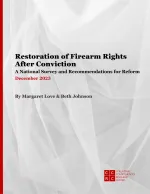
Read moreRestoration of Firearm Rights After Conviction: A National Survey and Recommendations for Reform (Dec. 2025)
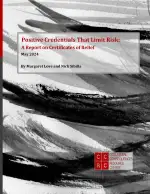
Positive Credentials That Limit Risk: A Report on Certificates of Relief (June 2024)
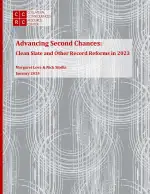
Advancing Second Chances: Clean Slate and Other Record Reforms in 2023 (Jan. 2024)
Accessing SNAP and TANF Benefits after a Drug Conviction: A Survey of State Laws (Dec. 2023)
The Many Roads from Reentry to Reintegration (March 2022)
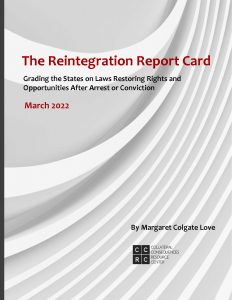
The Reintegration Report Card